There are some things that should never be reduced to a production line. A shofar is one of them.
For thousands of years, the sound of the shofar has marked some of the most significant moments in Jewish life. It calls us to reflect, to remember, and to return. On Rosh Hashanah, its voice carries through synagogues and communities around the world, continuing a tradition that reaches back generations.
That is why a shofar should be more than something that simply looks the part.
At Kol Shofar we have spent more than 20 years preserving the demanding craft of making shofars by hand. For master craftsman Shimon Keinan, every shofar begins with the same understanding: this is not just an object. It is a spiritual instrument, and its quality matters.
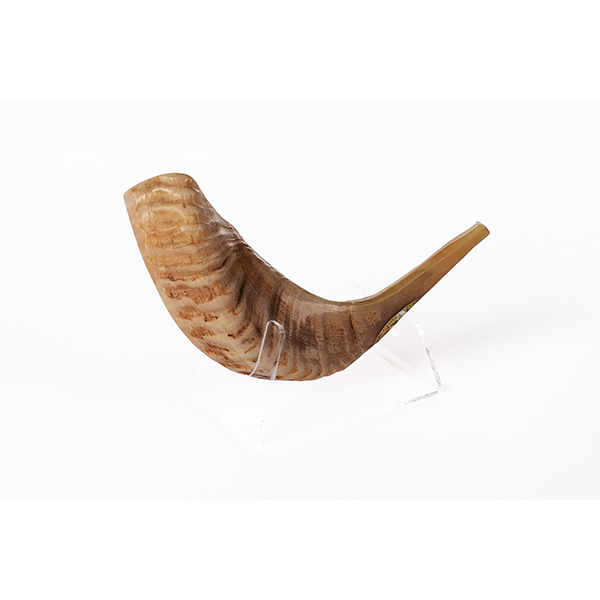
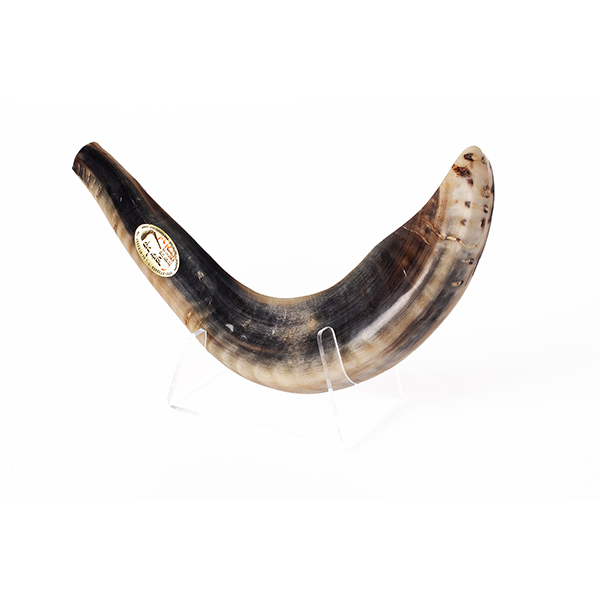
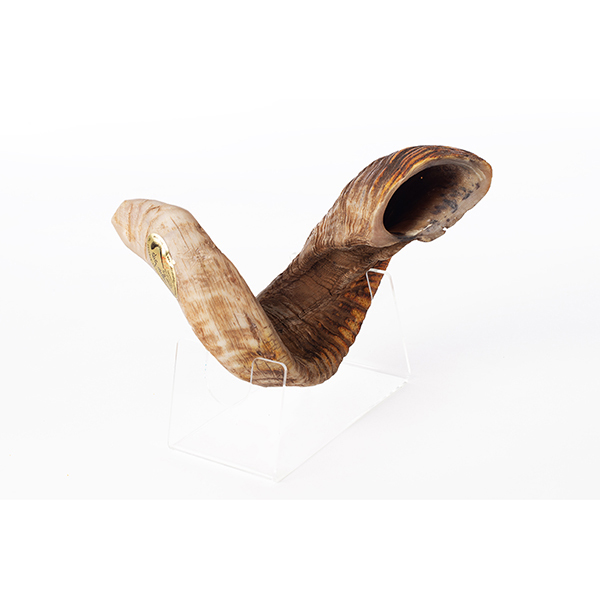
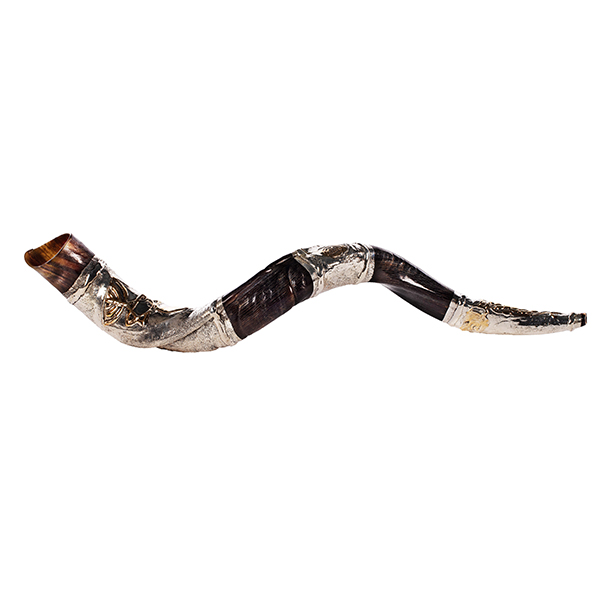
No two natural horns are exactly alike.
Each has its own length, curve, thickness, texture, and internal structure. Before the work can begin, the horn itself must be carefully examined and selected. This is where handmade craftsmanship differs fundamentally from mass production.
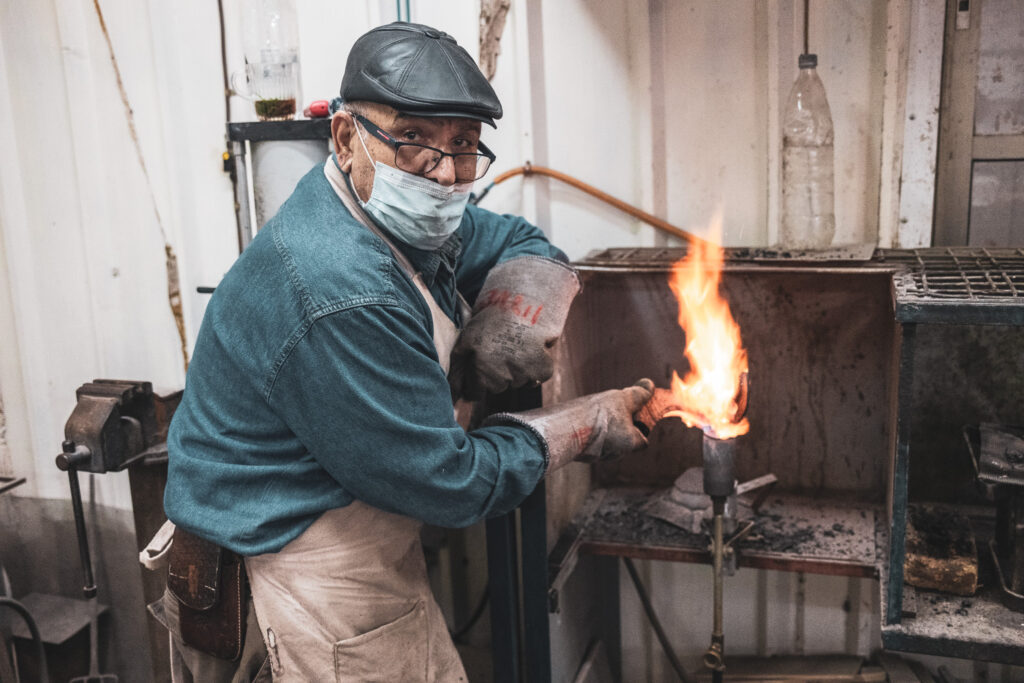
A craftsman cannot simply force every horn through an identical process and expect an identical result. The material determines the work. Years of experience teach the maker where pressure can be applied, how much heat is needed, and how the individual horn should be shaped without compromising its integrity.
At the Kol Shofar workshop, Shimon works with each horn individually.
The shaping process requires carefully controlled heat and considerable patience. Too much heat, too much pressure, or one poorly judged movement can damage a horn that took years to grow. There are no shortcuts.
One of the most technically demanding stages is creating the mouthpiece.
The opening must be drilled and shaped with precision so that the person blowing the shofar can produce a clear, powerful sound. A small difference in the angle, depth, or shape can have a significant effect on how the instrument responds.
This is where decades of experience become especially important. A beautiful shofar that is extremely difficult to sound has missed an essential part of its purpose. The goal is not simply to create an impressive object. It is to produce a shofar with a strong, resonant voice while preserving the integrity required of a kosher shofar. The finished instrument should feel natural in the hands and come alive when it is blown.
Today, almost anything can be produced quickly, cheaply, and in enormous quantities.
Shofars are no exception.
The market includes inexpensive imported horns, decorative pieces, molded imitations, and products created primarily to resemble a shofar rather than serve as a serious spiritual instrument.
From a distance, the differences may not always be obvious. But craftsmanship is rarely about what can be seen from a distance. It is found in the selection of the horn. In the controlled application of heat. In knowing how far a curve can be adjusted. In the precision of the mouthpiece. In the final inspection. And, ultimately, in the sound.
A handmade shofar carries the decisions of the person who made it. There is a craftsman behind it who has handled the material, understood its individual characteristics, and worked to bring out its best possible voice. That cannot be replicated by a mold or an assembly line.
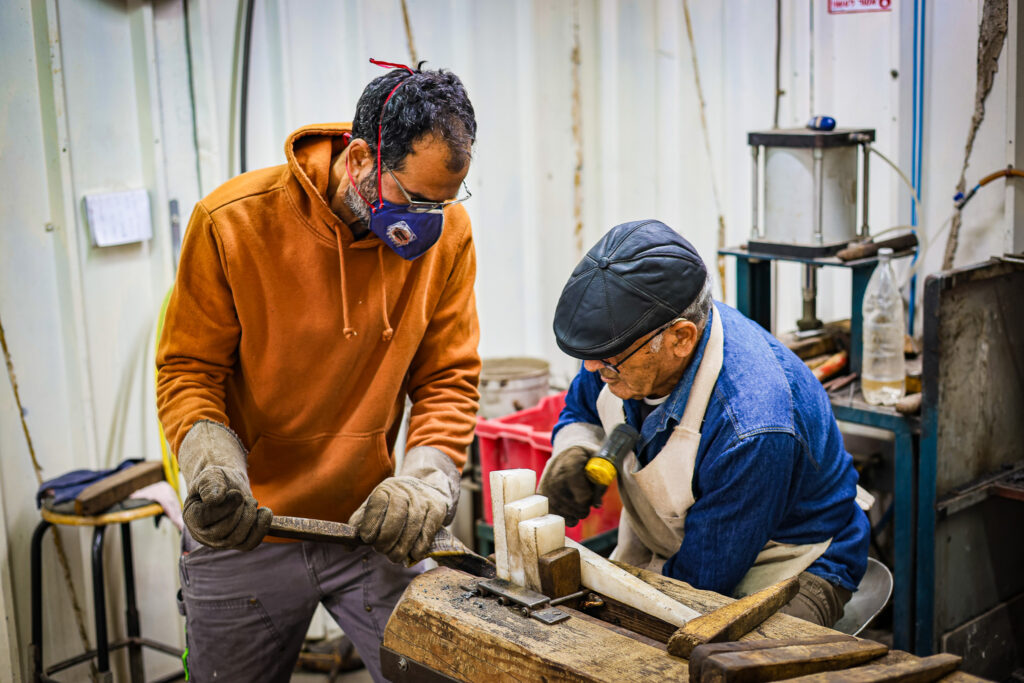
There is another element that matters to us: where our shofars come from. Kol Shofar is based in Moshav Givat Yoav in the Golan Heights.
This is where Shimon has practiced and refined his craft for more than two decades. It is where raw horns arrive at the workshop and, through a process involving heat, skill, precision, and patience, become instruments ready to be sounded in Jewish communities around the world.
When you hold one of our handmade shofars, you know where it was made. You know who made it. And you know that someone stood behind the quality of the finished instrument before it left the workshop. In an increasingly anonymous world of mass production, we believe that still means something.
A quality shofar is not necessarily something you purchase for a single holiday season.
Properly cared for, it can accompany a family for many years. It can be sounded at Rosh Hashanah year after year, passed from parent to child, and become connected to memories and traditions that extend far beyond the object itself. That changes the way we think about quality.
The question is no longer simply, “How much does this shofar cost?” A better question is: What kind of shofar do I want to carry forward? When choosing a shofar for prayer, for a synagogue, as a meaningful gift, or as something that may one day belong to the next generation, craftsmanship becomes part of its value.
You are choosing an instrument with a history before it ever reaches you, and the potential for a much longer history afterward. We live in a time when faster and cheaper often win. But ancient traditions do not always benefit from modern shortcuts. At Kol Shofar, we continue to make shofars the way we believe they deserve to be made: individually, carefully, and by hand in the Golan Heights.
Because the shofar is not simply something to display. It has a job to do. It has to sound. And when that first note is heard on Rosh Hashanah, the work behind it suddenly becomes worth every careful step. Discover the story behind our handmade shofars and explore the collection from our workshop in Moshav Givat Yoav, Golan Heights.
The Shofars at Kol Shofar are meticulously handcrafted in our family workshop, paying maximum attention to the highest level of quality, to Kashrut, ease of blowing, cleanliness and producing a special sound. Our customers say they can recognize our Shofars immediately anywhere in the world, due to our unique handprint.
אתר זה משתמש בקובצי Cookie ואוסף מידע שיאפשר לנו לשפר את חוויית הגלישה שלך באתר. על ידי לחיצה על “אישור” אתה מסכים לשימוש בקובצי Cookie ולמדיניות הפרטיות שלנו. אם תרצה, תוכל להשבית קובצי Cookie בהגדרות הדפדפן שלך. למידע נוסף, עיין במדיניות הפרטיות ובתקנון שלנו.