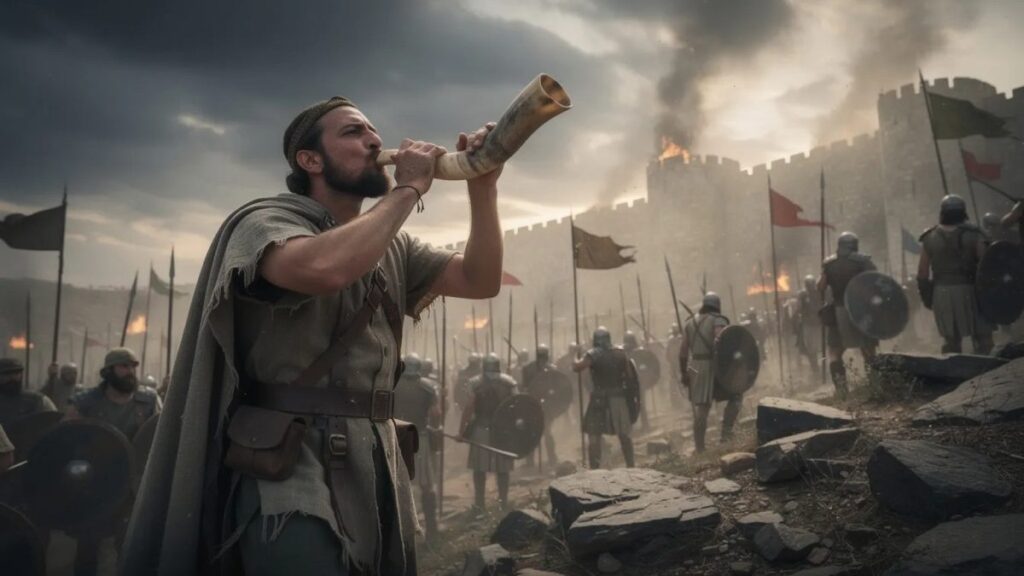
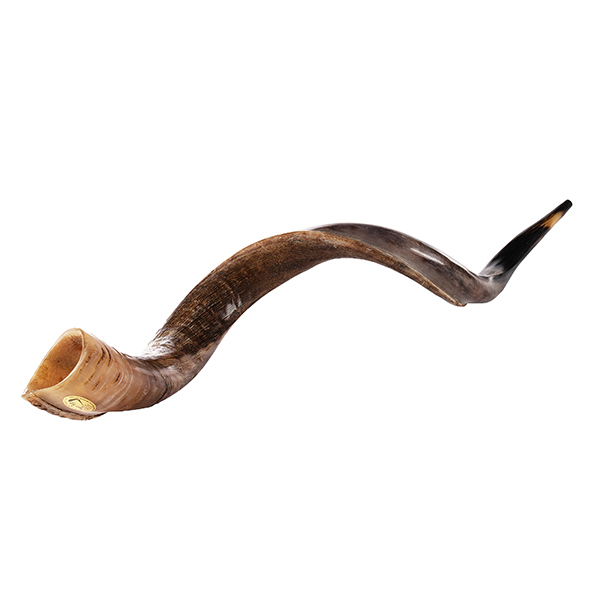
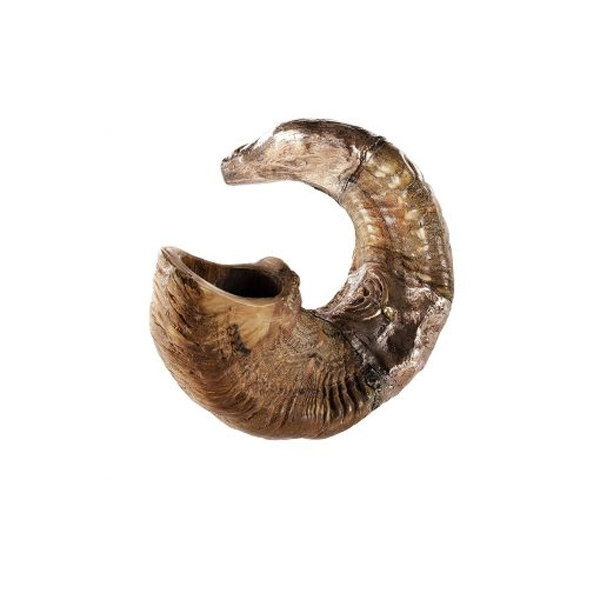
The Torah describes the shofar as a tool used in moments of national significance. It was sounded to gather the people, to mark urgency, and to remind a nation of its purpose. It was never just a musical instrument. It was communication. It was alignment. It was identity.
When there is tension in the world, uncertainty in the air, or fear in people’s hearts, the shofar cuts through all of it. Its sound is raw and unpolished. It doesn’t rely on melody. It is direct. Almost primal. It demands attention.
That is precisely why it matters in difficult times.
War creates noise, constant updates, opinions, speculation, anxiety. The shofar is different. It is a single, focused sound. It does not overwhelm. It centers.
Historically, the shofar was used to mobilize and unite. But beyond its physical use, it carries spiritual meaning. It reminds us that the Jewish people have faced challenge after challenge across generations, and endured. The same sound heard thousands of years ago is the sound we hear today. That continuity itself is strength.
The shofar is also deeply personal. When someone hears it, it awakens something internal. Resolve. Faith. Responsibility. It calls each individual to stand upright.
In times of war, morale matters. Identity matters. Unity matters. The shofar embodies all three.
- It is not a weapon.
- It is not political.
- It is not about aggression.
It is about clarity.
- The clarity that we know who we are.
- The clarity that we stand together.
- The clarity that we continue forward.
From ancient battlefields to modern Israel, from Jerusalem to the Golan Heights, the shofar remains unchanged. Empires have risen and fallen. The sound remains.
And that is why, in times of war, the shofar is not symbolic decoration. It is essential memory. It is collective breath. It is resilience made audible.
When it is sounded, it reminds us:
- We are still here.
- We are still united.
- And we are still standing.