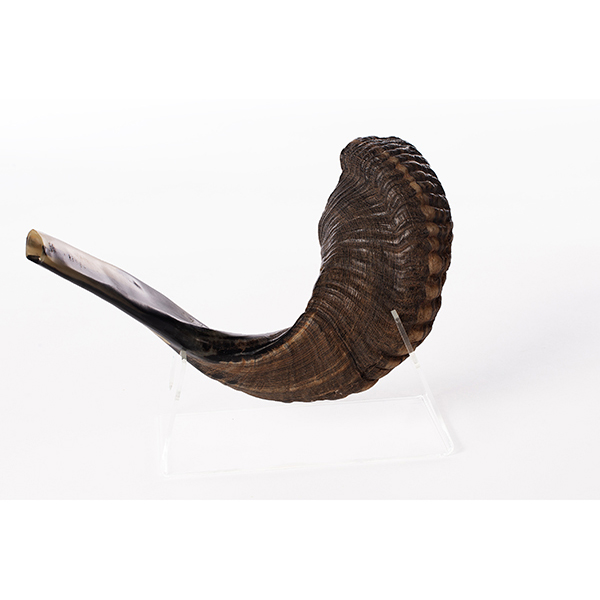
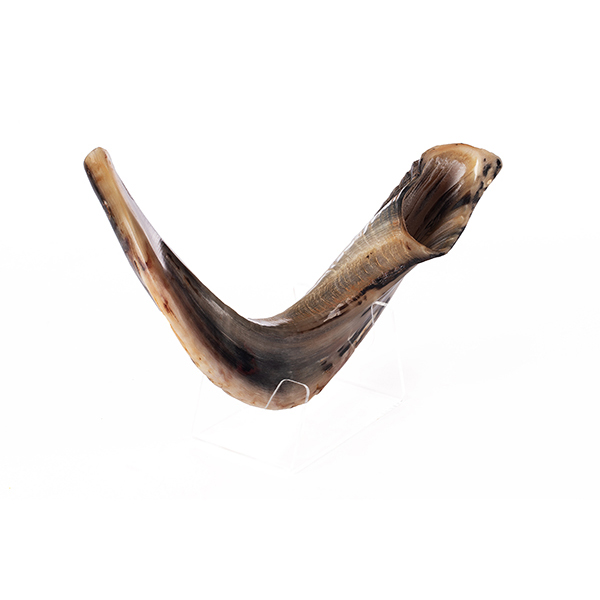
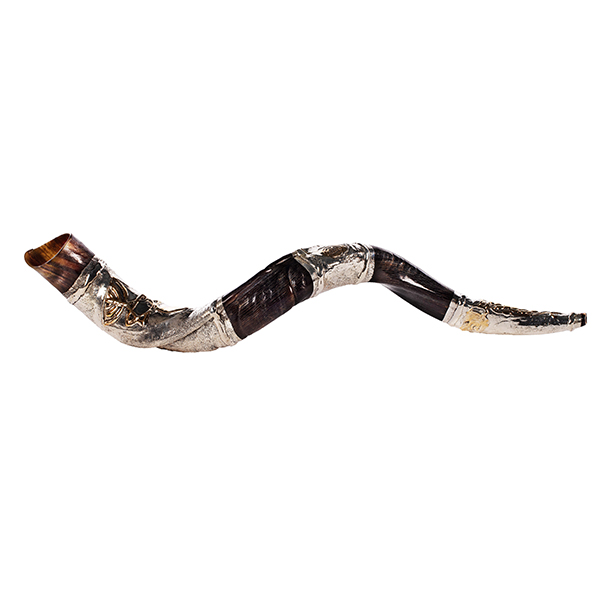
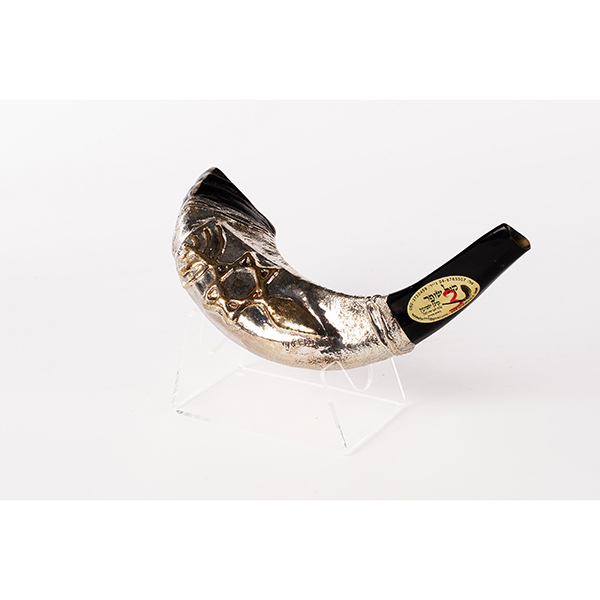
Yemenite shofars, on the other hand, are made from kudu horn and are known for their long curves and dramatic appearance. They usually produce a deeper, fuller sound and often feel easier for beginners because of the airflow. Many first-time buyers naturally gravitate toward them because they respond more easily and feel more forgiving. But larger Yemenite shofars can also become heavy and difficult to handle over time, especially the extra-long versions people buy mainly for visual impact.
This is where size becomes important, and where many people make the wrong choice.
Larger horns naturally require more air, more control, and more physical comfort than people expect. Someone buying their first shofar often assumes the biggest one will produce the best sound, when in reality a medium-sized horn is usually far more practical. A shofar you enjoy picking up regularly is always better than one that feels exhausting after two minutes.
Comfort matters more than most people realize before buying. The shape of the curve, the balance of the horn, the feel of the mouthpiece, all of these affect the experience. Some shofars naturally sit comfortably in your hands, while others feel awkward no matter how beautiful they look. That’s why experienced craftsmen often say you don’t fully choose a shofar until you hold it.
The sound itself also matters, and every shofar has its own personality. Some produce a deep, resonant tone that feels almost smooth, while others create a sharper, more piercing sound. Neither is objectively better. Some people want a bold sound that fills a synagogue, while others prefer something more focused and intimate. The important thing is responsiveness. A quality shofar should not require extreme force just to produce a clean note. When a horn responds naturally, you feel it immediately.
For beginners, certain details make a huge difference. A comfortable mouthpiece, balanced weight, and clean internal air channel can dramatically affect how quickly someone learns to blow properly. This is one reason handcrafted shofars often stand out, like the Shofars we craft in our workshop in the Golan Heights. Beyond appearance, the finishing process affects the actual playing experience.
Before buying, it’s also worth paying attention to small details that people often overlook. Tiny cracks can affect both durability and sound quality. An over-polished horn may lose some of its natural character. A poorly finished mouthpiece can make blowing uncomfortable. These aren’t things most first-time buyers think about, but they often determine whether a shofar becomes something meaningful or something decorative.
In the end, the right shofar is not necessarily the longest, rarest, or most expensive one in the room.
It’s the one that feels natural the moment you hold it.
A good shofar should make you want to pick it up again. The connection should feel immediate, not forced. And usually, when the fit is right, the sound comes naturally too.
If you have questions about buying your first Shofar, you can get free consultation from our team at: kolshofar777@gmail.com